The Benefits of Combination Venues
Civic centres have long served as gathering places for communities — spaces where people come together to celebrate, debate, and connect. But the role of these buildings has shifted dramatically over the decades. What were once predominantly cultural or administrative spaces have evolved into dynamic, multi-purpose arenas that reflect the changing needs of modern society.
The early purpose of civic centres
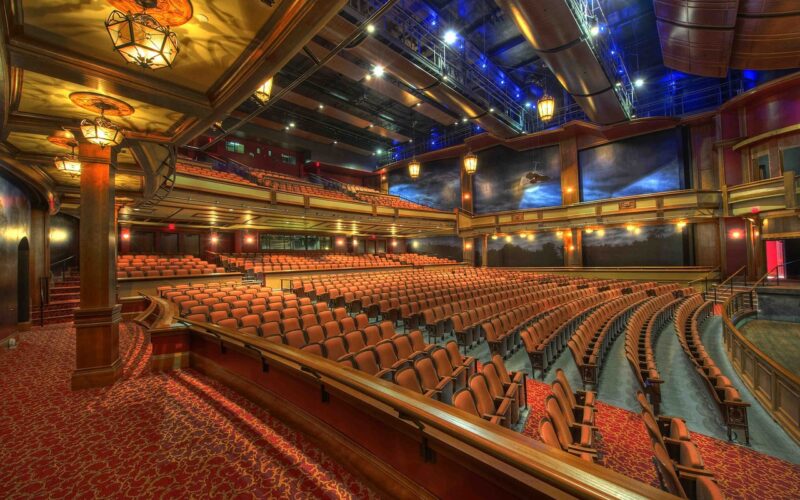
The civic centre as we know it emerged most prominently in the 20th century, rooted in the idea that public institutions should have a visible, central home. Town halls, concert venues, libraries, and civic theatres were often grouped together to create a kind of cultural campus. These spaces were symbols of civic pride — architectural statements that said something about a community's identity and ambitions. For much of the 20th century, this model remained largely unchanged.
Shifting community needs
The latter half of the century brought significant social and economic change. Urban populations grew more diverse, leisure habits shifted, and local governments began facing tighter budgets. Communities needed spaces that could do more with less. A building that hosted a classical concert on Friday and sat empty on Saturday was no longer viable. Civic leaders started asking harder questions about value, access, and relevance — and the answers pointed towards flexibility.
The rise of the multi-purpose arena
Today's civic centres are engineered for adaptability. A single venue might host a major sporting event, a trade exhibition, a political forum, and a community health fair all within the same week. Retractable seating, modular staging, and advanced acoustic systems make this possible. Cities like Manchester, Birmingham, and Edinburgh have invested heavily in reimagining their civic infrastructure, creating spaces that attract international events while still serving local residents. This dual function — global appeal, local roots — has become the defining characteristic of the modern civic centre.
Technology as a catalyst
Technology has played a central role in this transformation. Digital ticketing, live streaming capabilities, and smart building systems have made civic venues more efficient and more accessible. Audiences are no longer just those who can physically attend — events can now reach thousands more online. This has expanded the cultural footprint of civic centres without requiring them to grow their physical footprint, a meaningful advantage in dense urban environments where space is at a premium.
Balancing commercial and community value
The shift towards multi-purpose use hasn't come without tension. Critics argue that the pursuit of commercial bookings can crowd out lower-profile community programming — the amateur theatre productions, the local council meetings, the youth arts workshops that civic centres were originally built to support. Finding the right balance between revenue generation and community service remains one of the central challenges for venue managers and local authorities alike. The most successful civic centres are those that treat both priorities as equally important, rather than allowing one to subsume the other.
What comes next for civic spaces
Looking ahead, civic centres are likely to become even more embedded in the social fabric of their communities. There is growing interest in designing these spaces with sustainability at their core — buildings that generate their own energy, minimise waste, and serve as models for responsible urban development. There is also renewed focus on inclusivity, ensuring that civic spaces genuinely serve all residents, not just those who can afford premium tickets. The civic centre of the future won't simply be a venue. It will be a statement of what a community values — and a space where those values are lived out every day.